Best XRP Yield Platforms 2026 Compared
XRP can't be staked — but you can earn interest on XRP. Compare LendProtocol, Nexo, YouHodler and other top XRP yield platforms with rates and risks explained.
XRP has a structural problem that most of its holders eventually run into: the asset pays no native yield. Ethereum stakers earn protocol rewards. Solana validators get emissions. XRP holders get nothing — by design. The XRP Ledger runs on Federated Byzantine Agreement, a consensus mechanism with no staking rewards built in.
That doesn't mean yield is impossible to get. It means you have to go find it.
This article covers the platforms where XRP holders are actually earning in 2026, the broader methods available, and where the risks sit in each case.
Why XRP Can't Be Staked
The short answer: the XRP Ledger doesn't use Proof-of-Stake. It runs on a federated consensus model where a network of trusted validators agrees on transaction order. No block rewards, no validator incentives, no protocol mechanism to distribute yield to holders.
Ripple designed XRPL for fast, cheap settlement: transactions confirm in 3–5 seconds at near-zero cost. But XRP sitting in a wallet earns nothing.
Anyone looking for an XRP savings account equivalent has to look outside the protocol itself.
Platforms: Where to Actually Earn on XRP
LendProtocol
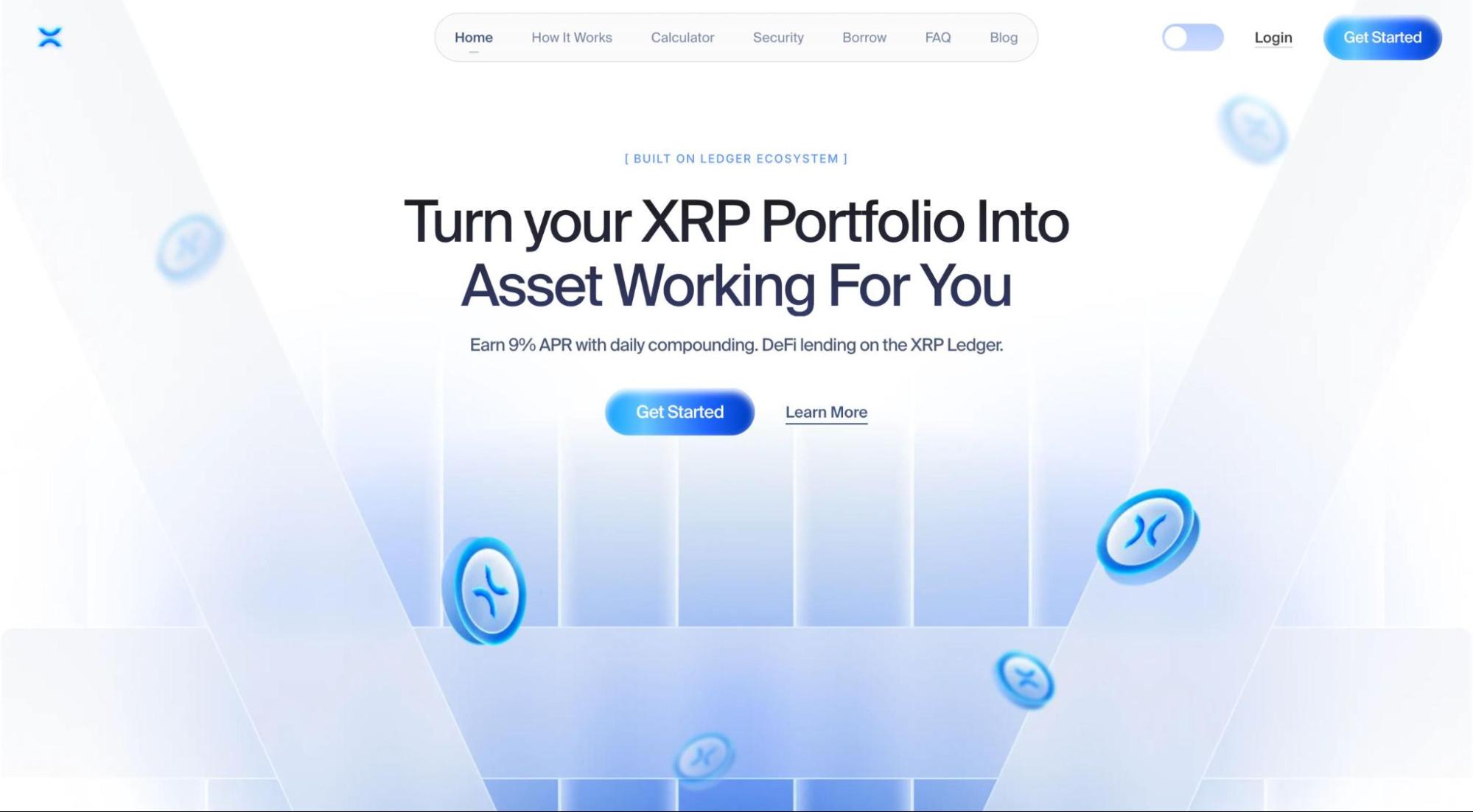
LendProtocol is a CeFi lending platform built natively on the XRP Ledger. Depositors earn 12% APR with daily payouts on XRP and RLUSD — no lock-up, withdraw anytime.
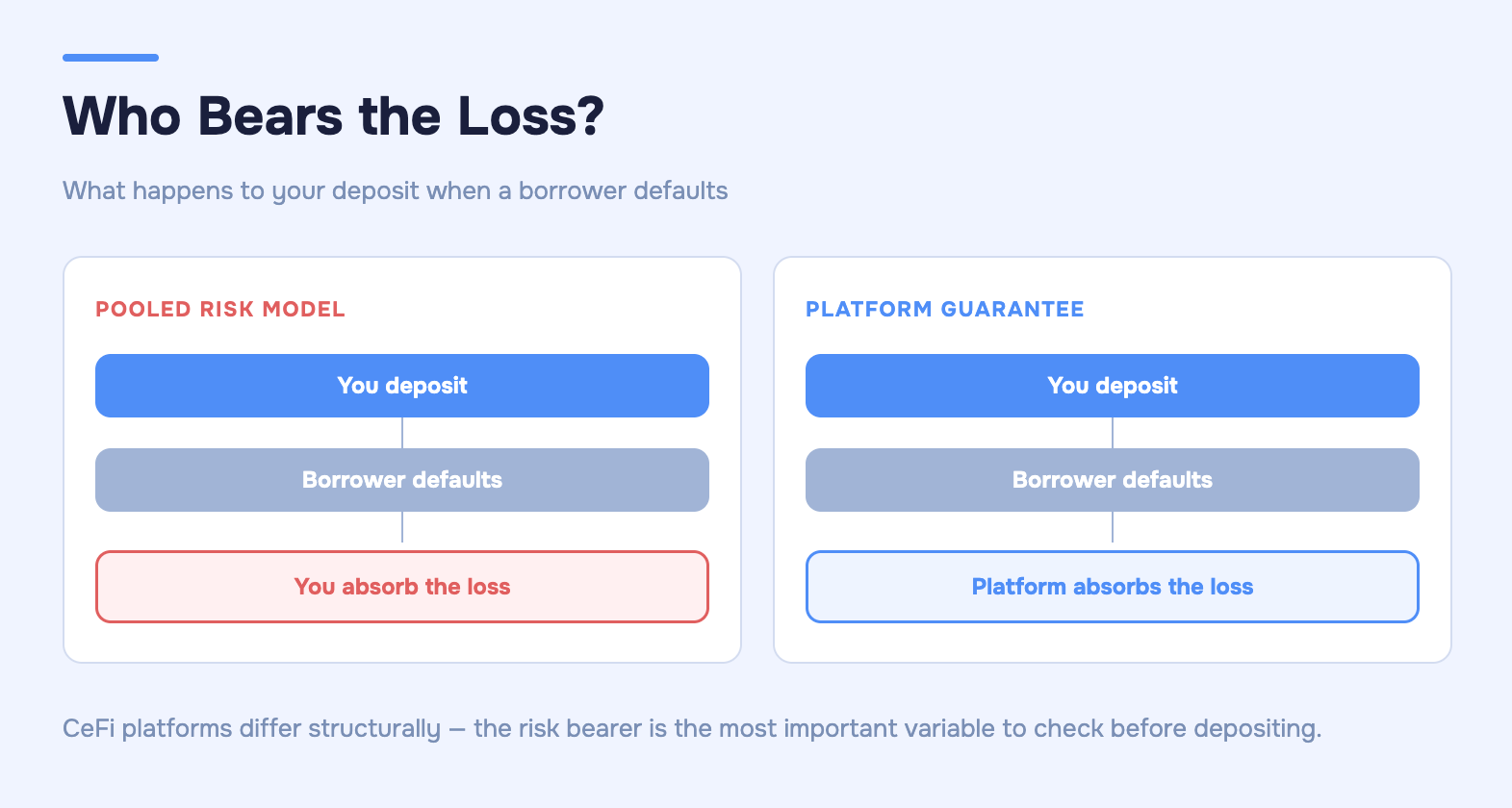
The structural differentiator: LendProtocol assumes all default risk, not the depositor. Borrowers must post 120% collateral (BTC, ETH, SOL, XRP, RLUSD, or USDT), and if a borrower defaults, the platform absorbs the loss — not the lender's principal. That's structurally different from protocols where depositor pools share the shortfall.
Security: cold storage for the majority of assets, AES-256 GCM encryption, mandatory 2FA. As of mid-2026, the platform has 13,713+ active lenders with 743 million XRP deployed.
Because it settles on the XRP Ledger, on-chain activity is publicly verifiable via xrpscan.com — a transparency layer that platforms custodied off-chain can't offer.
- APR: 12% fixed
- Effective annual yield: ~12.75% (daily compounding)
- Payout: Daily
- Lock-up: None
- Assets: XRP and RLUSD
- Default risk: Platform bears it
- Collateral ratio: 120%
- Blockchain: XRP Ledger (native)
Nexo
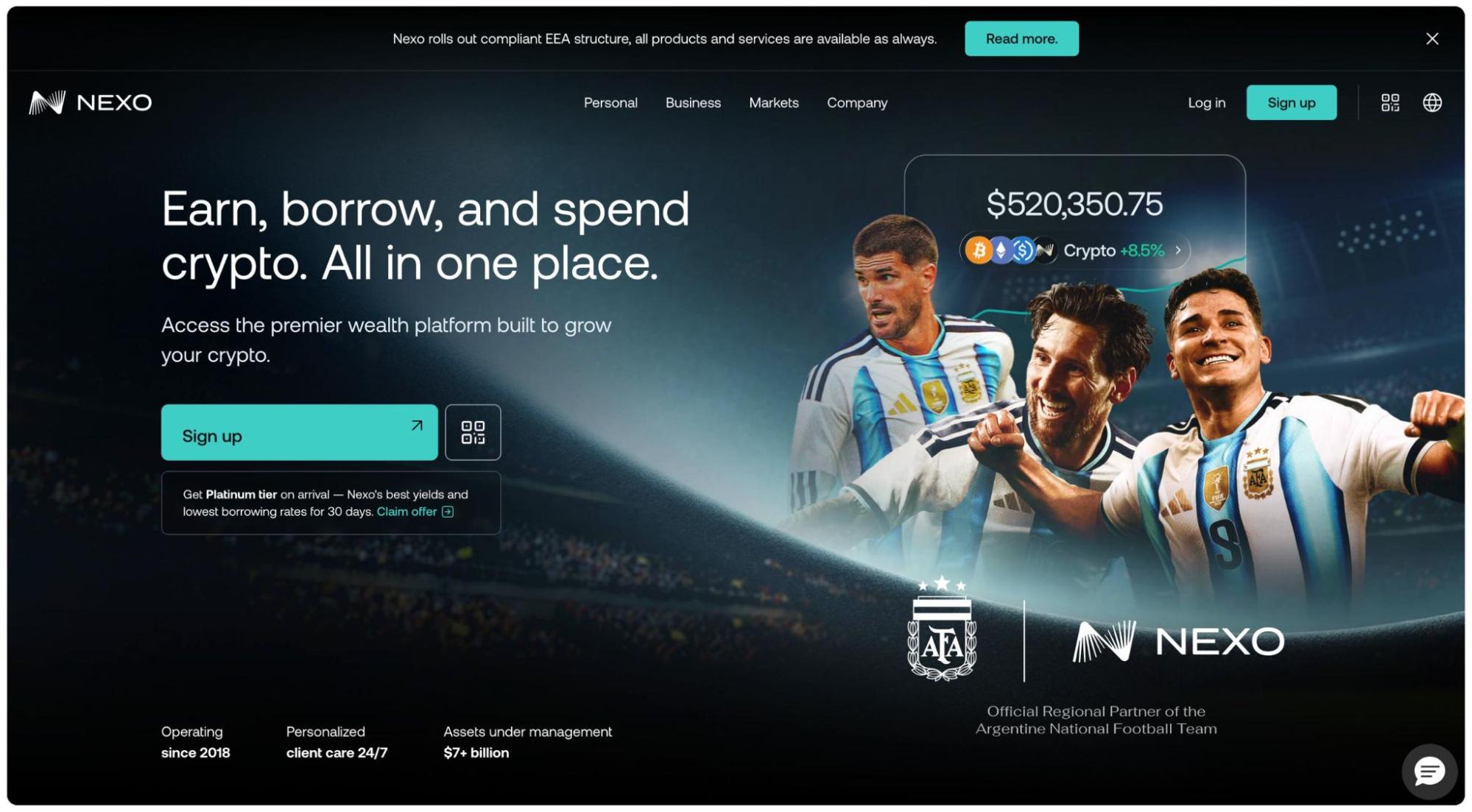
Nexo is a Swiss-headquartered CeFi platform with daily-compounding XRP earn products and no mandatory lock-up. Advertised XRP rates reach up to 12.75% APY, but the actual rate depends on your Loyalty Tier and whether you accept payouts in NEXO tokens rather than XRP — the highest rates require both. Assets sit in Nexo-controlled omnibus accounts; you don't hold private keys.
- APR: Up to 12.75% (tier-dependent)
- Payout: Daily
- Lock-up: None / 1 month (fixed-term)
- Assets: XRP + 40 others
- Custody: Nexo omnibus (BitGo, Bakkt)
YouHodler
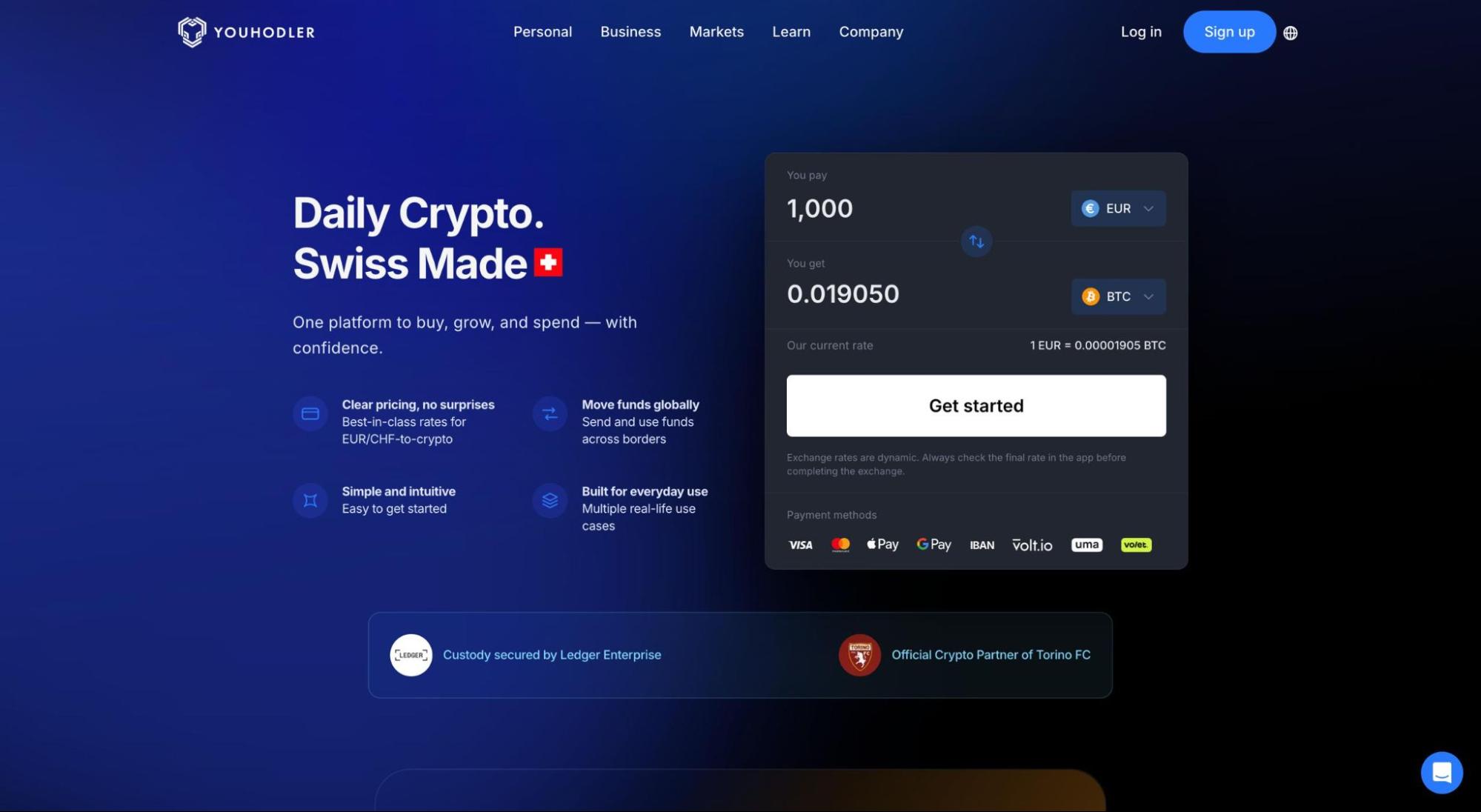
YouHodler is a Swiss/Cyprus-based fintech offering up to 12% APY on XRP with weekly payouts and no lock-up. Rates vary by loyalty tier, which is tied to monthly trading volume — passive depositors may not access the headline rate. Custody through Ledger Vault with insurance coverage.
- APR: Up to 12% (tier-dependent)
- Payout: Weekly
- Lock-up: None
- Assets: XRP + 30 others
- Custody: Ledger Vault
Head-to-Head Comparison
| Platform / Method | XRP APR | Rate Type | Payout | Lock-up | Default Risk | XRPL-Native |
|---|---|---|---|---|---|---|
| LendProtocol | 12% | Fixed | Daily | None | Platform (guaranteed) | Yes |
| Nexo | Up to 12.75% | Variable (tier-based) | Daily | None / 1 month | Platform | No |
| YouHodler | Up to 12% | Variable (tier-based) | Weekly | None | Platform | No |
| Exchange earn (Binance, Kraken) | 2–5% | Variable | Varies | Often required | Exchange | No |
| XRPL AMM liquidity | Variable | Variable | Ongoing | None | Depositor (IL risk) | Yes |
| DeFi via bridge (Aave, Compound) | Variable | Variable | Ongoing | None | Smart contract | No |
LendProtocol and YouHodler both advertise 12% on XRP, but LendProtocol's rate is flat regardless of tier or payout currency. Nexo's 12.75% maximum requires Platinum tier status and accepting interest in NEXO tokens — converting yield into a separate volatile asset. Daily vs. weekly compounding also compounds differently over longer holding periods.
Other Methods for Earning on XRP
CeFi Lending
The category that LendProtocol, Nexo, and YouHodler all fall into. You deposit XRP, the platform lends it to borrowers, and you receive a cut of the interest. The key variable between platforms — more important than the headline rate — is who bears the loss if a borrower defaults.
Centralized Exchange Earn Products
Binance, Kraken, and others offer earn programs on XRP, typically in the 2–5% APR range for flexible access. Rates are variable and your XRP sits on the exchange's balance sheet. For holders who keep XRP on an exchange anyway, it's frictionless. As a dedicated yield strategy, dedicated lending platforms generally pay more.
RLUSD Yield — The Stablecoin Option
RLUSD is Ripple's regulated, fully-backed USD stablecoin on the XRP Ledger. It doesn't bear yield natively, but platforms that accept it pay interest. Earning 12% APR on a dollar-pegged asset means high nominal returns without XRP price exposure — relevant for risk-averse depositors and institutional treasury teams.
LendProtocol accepts RLUSD at the same 12% APR as XRP, making it one of the few places to earn interest on XRP ecosystem assets in stablecoin form without leaving XRPL infrastructure.
DEX Liquidity Provision on XRPL
The XRP Ledger's native DEX supports AMM pools for XRP and RLUSD pairs. Liquidity providers earn trading fees from swap volume. Returns are variable and impermanent loss is real — if XRP's price moves significantly after you enter, you may exit with less value than if you'd held. Not a passive, set-and-forget option.
Bridging to Other Networks
Some XRP holders bridge to Ethereum to access Aave, Compound, or similar DeFi protocols. It works, but adds bridging fees, slippage, smart contract risk, and wrapped asset counterparty risk. For most XRP holders, the yield differential doesn't justify it when XRPL-native options exist.
How to Evaluate Any XRP Yield Platform
No platform is risk-free. Here's what to actually look at when comparing a best XRP yield platform for meaningful deposits:
- 1. Who bears default risk. The most important structural question. LendProtocol explicitly covers borrower defaults on behalf of depositors. Most other platforms have terms that allow loss to flow through to users under certain conditions — read the terms, not the marketing copy.
- 2. Is the rate fixed or tier-dependent. A 12% headline rate that requires a high loyalty tier, locking up platform tokens, or a specific payout currency isn't the same as a flat 12% fixed rate.
- 3. Payout frequency. Daily compounding yields ~12.75% effective annual on a 12% APR; weekly yields ~12.68%. Small difference monthly, material over years.
- 4. Custody model. Cold storage is meaningfully different from hot wallets. LendProtocol stores the majority of deposited assets offline; hot wallet exposure is limited to operational liquidity.
- 5. Borrower collateral requirements. A platform lending your XRP to 120% overcollateralized borrowers has a different loss profile than one making undercollateralized institutional loans.
- 6. On-chain verifiability. For XRPL-native platforms, transaction history is publicly checkable on xrpscan.com. That's a transparency advantage over platforms that custody assets off-chain.
Conclusion
XRP can't be staked — that's a fixed constraint of the network's design. But the yield options built on top of XRPL, and on centralized platforms that hold XRP, are real, and some pay rates that traditional savings products can't approach.
What varies is the risk structure behind those rates: fixed vs. variable, platform-guaranteed vs. depositor-bears-risk, overcollateralized vs. undercollateralized, XRPL-native vs. custodied off-chain. These differences determine what happens when something goes wrong.
The addition of RLUSD has opened a stablecoin yield angle: dollar-denominated returns at lending-platform rates, on-chain, without leaving XRPL. For holders who want yield without XRP price exposure, that's a genuinely new option compared to a few years ago.
Do the homework on any platform before committing meaningful capital. The rates are real. So are the differences.
FAQ
Can XRP be staked?
No. The XRP Ledger uses Federated Byzantine Agreement consensus, which has no staking mechanism. Yield on XRP comes entirely from lending or liquidity provision products built on top of the network.
What is an XRP savings account and how does it work?
There's no official product by that name, but the concept is a deposit account where you hold XRP and earn interest — similar to a bank savings account. The platform lends your XRP to borrowers, collects interest, and passes a portion to you. The risk profile depends on who guarantees the deposit and under what conditions.
What APR can I currently earn on XRP?
As of mid-2026, rates range from 2–5% on exchange earn products up to 12% APR on dedicated lending platforms. Nexo advertises up to 12.75% for XRP, but that requires Platinum loyalty tier with interest paid in NEXO tokens. LendProtocol offers a flat 12% fixed rate regardless of tier or payout currency.
Is earning interest on XRP safe?
No yield product is without risk. CeFi platforms vary significantly — some pass default risk to depositors, others absorb it at the platform level. Collateral requirements, custody standards, and the source of yield all matter. Assess each platform on its actual mechanics, not its marketing.
What's the difference between Nexo XRP products and XRPL-native platforms?
Nexo XRP deposits sit in Nexo-controlled omnibus accounts managed by third-party custodians — you don't hold private keys. XRPL-native platforms like LendProtocol settle directly on the XRP Ledger, making transaction history publicly verifiable on-chain. Different counterparty structure, different rate mechanics, different transparency model.
What is RLUSD and can I earn yield on it?
RLUSD is Ripple's USD stablecoin on the XRP Ledger — fully backed and regulated. Platforms that accept RLUSD deposits pay interest on it. At 12% APR on a dollar-pegged asset, it offers yield without XRP price exposure.
How does daily compounding work?
At 12% APR with daily compounding, interest earned each day is added to the principal, which then earns interest the following day. Over a full year, that produces approximately 12.75% effective annual yield. Weekly compounding at the same APR yields about 12.68% — a small but real difference at scale.